Episode 4 is Live!


What Dam Clay Taught Me About Socratic Ignorance
Or: How clay experience became irrelevant in approximately forty-five minutes
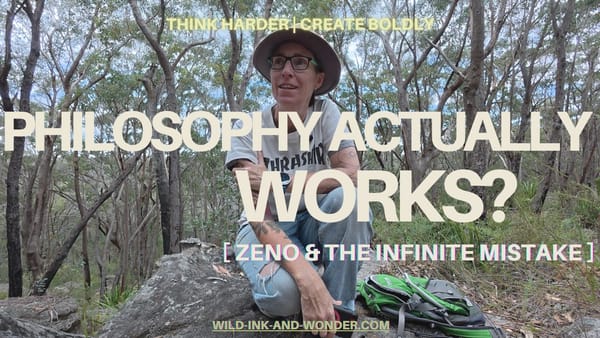
Watch Episode 4
Runtime: 9 minutes
Dam clay that looked perfect: 1 bucket
Techniques that failed spectacularly: All of them
Socratic humility earned: Profound
The Setup
"I know that I know nothing." — Socrates
Sounds profound in philosophy lectures. Feels different when you're watching dam clay that looked perfect in the ground refuse to do anything you expect.
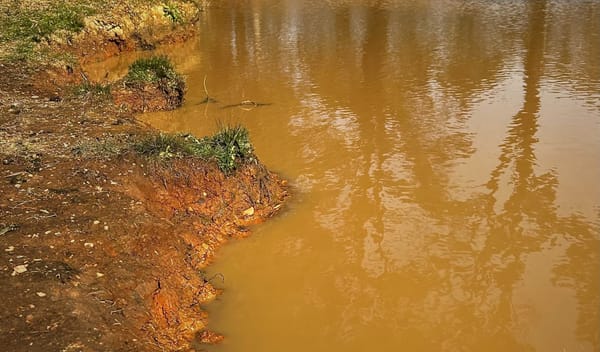
This week's episode documents what happens when clay experience meets unfamiliar material that operates by its own rules. The dam clay had all the signs—perfect plasticity when wet, good color, right location near water. Should have been straightforward.
Spoiler: "Should have been" and "actually is" are philosophically distinct categories.
The Confidence
Alice in Chains' "Them Bones" opens the playlist with exactly the grunge confidence of approaching unfamiliar clay backed by years of experience. Layne Staley's grinding vocals over that heavy riff—short, punchy, certain. The guitar tone says "I've got this handled."
In Episode 4, this is me digging that dam clay. It looked perfect in the ground. Perfect texture, right consistency, all the signs I know to look for. I've worked with clay for years. I know what good clay looks like. Should process beautifully.
The problem? Recognizing clay and understanding clay are philosophically distinct categories. This track captures the confidence before the education begins—before the dam clay starts systematically dismantling every assumption about what "good clay" means.
The Education
Nirvana's "Scentless Apprentice" soundtracks the exact moment when expertise proves insufficient. That abrasive, frustrated energy—Kurt Cobain's vocals raw and confrontational, the song structure refusing to resolve comfortably. This isn't pretty learning. This is the sound of assumptions being ground down by material reality.
In the episode, this is me trying every technique I know. Add water? The clay just sits there. Wedge it? Still unworkable. Let it rest? Nothing changes. Each failed attempt accumulating, mounting frustration visible, years of confidence meeting clay that operates by completely different rules than I expected. Not breaking down. Not processing. Not becoming anything I can actually use.
The philosophical parallel is exact: Socrates wandered Athens asking people to define concepts they thought they understood—justice, courage, wisdom. They'd confidently explain, and he'd systematically question until they realized they didn't actually know what they claimed to know. In Episode 4, the dam clay is Socrates. And I'm the Athenian discovering that recognizing something and understanding it are very different categories of knowledge.
The Socratic Method
Socrates developed a learning approach through questions rather than assumptions. So in the episode, I stop trying to impose what I think clay should do and start asking what this specific clay is actually telling me.
What happens when I add water? Not what should happen based on other clays, but what actually happens. What does this texture reveal about mineral content? What do these cracking patterns tell me about working time?
Systematic investigation replaces confident expertise. And the clay—high sand content, wants different handling, shorter working time, completely different joining techniques—starts teaching me its actual properties rather than my assumed ones.
The Music
HONEST IGNORANCE: Music for Learning You Know Nothing — the Episode 4 playlist traces the complete journey from overconfident expertise through humbling failure to earned understanding.
15 tracks moving through: Alice in Chains' grunge confidence → Nirvana's abrasive frustration → Fred Again..'s vulnerable observation → Smashing Pumpkins' humble collaboration.
Featured artists: Alice in Chains, Nirvana, Sonic Youth, The Breeders, Fred Again.., PJ Harvey, Hüsker Dü, Pixies, Smashing Pumpkins, Pavement, Built to Spill, Modest Mouse
[Read the complete playlist deep-dive →] Track-by-track analysis of how grunge honesty captures systematic Socratic investigation.
Runtime: 15 songs, ~67 minutes
Mood: Stripped-back vulnerability, garage/grunge questioning, earned wisdom
Philosophy: Epistemic humility made audible
Series Progress
✅ Episode 1: Plato's Cave and the challenge of questioning assumptions
✅ Episode 2: Heraclitus and what waterfall physics taught about change
✅ Episode 3: Zeno's Paradox and the mathematics of infinite approach
✅ Episode 4: Socratic Ignorance and what dam clay taught about learning
→ Next Monday: Marcus Aurelius and Stoic acceptance when the weather doesn't cooperate
Next Monday: The Stoic Weather Test
Episode 5: "What Wild Weather Taught Me About Marcus Aurelius"
Marcus Aurelius wrote the Meditations during military campaigns, dealing with plague, war, political chaos, and the constant inconveniences of trying to be philosophical while the world refuses to cooperate.
Next episode: testing Stoic principles against Australian summer weather patterns that interrupt outdoor pottery work exactly when you don't want them to.
Also testing whether philosophical calm survives when your carefully prepared clay setup gets hit by unexpected storms.
Spoiler: External events are not up to us. How we respond? That's the part that counts.
Join the Journey
Subscribe on YouTube: All 12 episodes as they drop → [Link]
Follow on Instagram: Process documentation and dam clay philosophy → Link
Listen on Spotify: Audio versions + all episode playlists → Link
This is Philosophy Actually Works—where ancient wisdom meets rural creative practice, one humbling material lesson at a time.
Thanks for being here. The dam clay sends its regards (and its specific mineral requirements).
Wild Ink And Wonder
P.S. Socrates said "The only true wisdom is in knowing you know nothing." That's philosophical until you're holding clay that looked perfect but won't cooperate. Then it's just accurate. If Episode 4 resonated, share it with someone who needs permission to admit they don't know everything—especially when materials are teaching humbling lessons. The best learning starts with honest failure.