HONEST IGNORANCE: Music for Learning You Know Nothing

The Complete Episode 4 Playlist Deep-Dive
15 tracks that trace the journey from expertise through failure to earned understanding
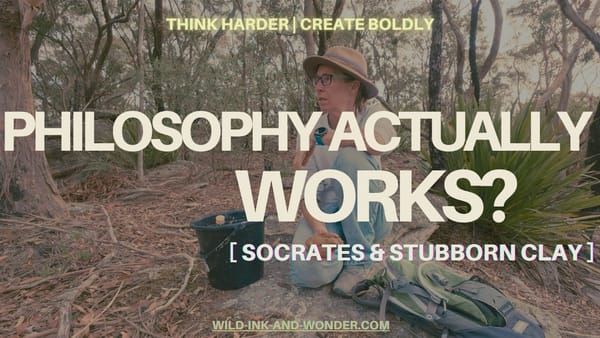
Watch Episode 4: What Dam Clay Taught Me About Socratic Ignorance
[EMBED YOUTUBE VIDEO HERE]
The Philosophy
"I know that I know nothing." — Socrates
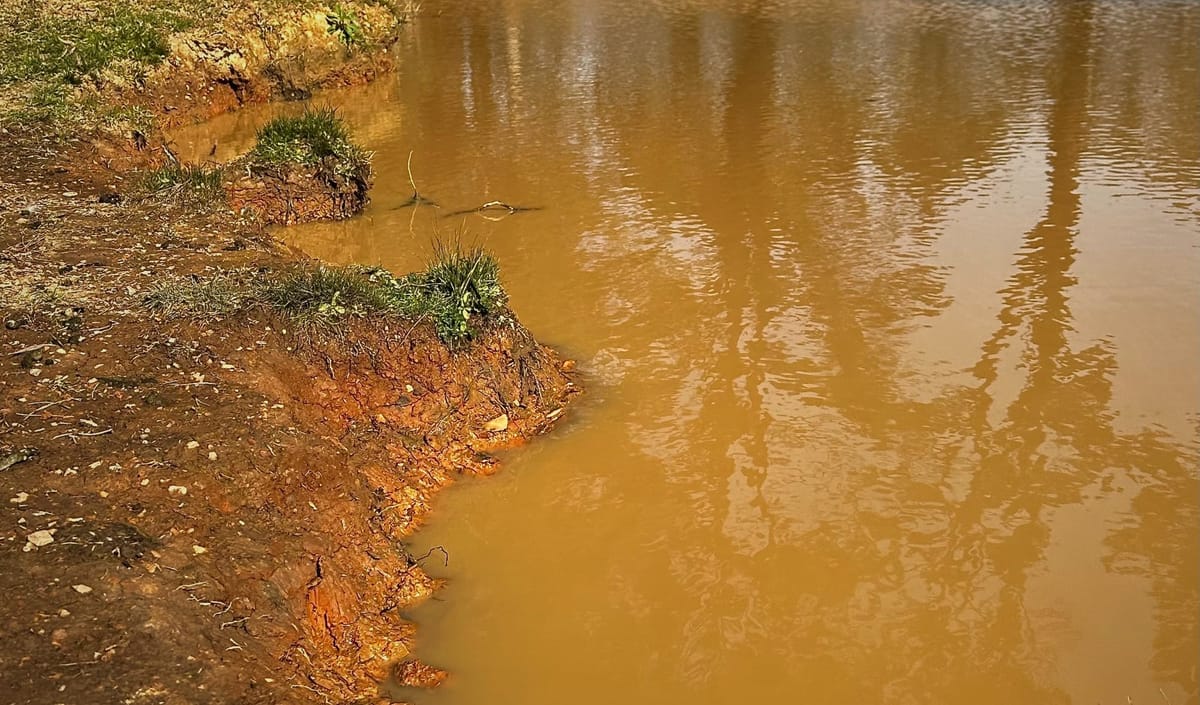
Easy to say in philosophy lectures. Harder when you're watching dam clay that looked perfect in the ground refuse to do anything you expect. Harder still when years of clay experience proves insufficient against unfamiliar materials with their own rules.
This playlist captures the complete arc of Socratic learning—from false confidence through systematic questioning to humble partnership with materials. Not background music. The sonic equivalent of epistemic humility earned through genuine failures.
Runtime: 15 songs, ~67 minutes
Mood: Stripped-back vulnerability, garage/grunge honesty, systematic investigation
Philosophy: Wisdom begins with admitting you don't know
SECTION 1: OVERCONFIDENT EXPERTISE (Tracks 1-3)
"I've worked with clay for years. This should be straightforward."
Track 1: Alice in Chains - "Them Bones"
Album: Dirt (1992)
Why it opens perfectly: That opening riff hits like a shovel biting into earth with complete confidence. Heavy, grinding, certain—this is what professional competence sounds like. Layne Staley's vocals have zero hesitation. The song is short, punchy, done. No questions, just execution.
Episode connection: This is me digging that dam clay with years of experience telling me exactly what I'm looking at. Perfect plasticity when wet. Right texture. Good color. The song's grinding confidence matches the absolute certainty that this clay will process beautifully—because I know clay, and this looks perfect.
The riff's heaviness is the weight of accumulated expertise. Short runtime matches the expected timeline: dig it, bring it back, process it, done. No complications anticipated.
Track 2: Dinosaur Jr. - "Feel the Pain"
Album: Without a Sound (1994)
Why it fits: J Mascis' guitar tone is pure swagger—that distorted slide work sounds like expertise in motion. The melody is confident, almost casual. "Feel the Pain" delivered with zero concern that pain is coming. Mike Johnson's bass line keeps steady momentum underneath, no hesitation.
Episode connection: This is the energy of bringing that bucket of dam clay back to the workspace. All the signs were there—perfect plasticity in the ground, right texture, good color near water. The song's swagger matches the confidence: I know clay, this IS clay, therefore this will work. The title's irony hits later when you realize what "feeling the pain" of wrong assumptions actually costs in wasted time and materials.
Track 3: The Jesus Lizard - "Mouth Breather"
Album: Liar (1992)
Why it completes the opening: David Yow's confrontational vocals over Duane Denison's angular, aggressive guitar work. That bass from David Wm. Sims is driving, relentless. The whole song has this aggressive competence—technical skill deployed with complete confidence that the approach is correct.
Episode connection: Setting up to process the clay with years of technique ready to deploy. Add water—clay should break down. Wedge it—should become workable. Let it rest—should process. The song's aggressive certainty matches the certainty that these are the RIGHT steps because they're always the right steps. The confrontational energy is expertise about to discover that materials don't care about your experience.
SECTION 2: FAILURES ACCUMULATE (Tracks 4-7)
"It's just... sitting here. Not breaking down. Not processing."
Track 4: Nirvana - "Scentless Apprentice"
Album: In Utero (1993)
Why it captures the turning point: That grinding, gritty texture—the guitar tone itself feels like working with material that won't cooperate. Kurt Cobain's vocals are raw frustration, not polished anger. The song doesn't resolve cleanly, it just grinds. That bass tone from Krist Novoselic is thick, stubborn, resistant—exactly what the clay sounds like when it refuses to break down.
Episode connection: This is the sound of every technique failing. Add water? Clay just sits there with that same stubborn resistance. Wedge it? The texture in your hands feels wrong—gritty, uncooperative, not responding the way clay should respond. Let it rest? Time passes and nothing changes. That grinding guitar tone IS the clay refusing to process—abrasive, frustrating, not breaking down no matter what you do to it.
The song's structure matches the experience: verse builds expectation, chorus delivers grinding resistance instead of resolution. Repeat. Just like trying technique after technique, each one failing the same way.
Track 5: Sonic Youth - "Teenage Riot"
Album: Daydream Nation (1988)
Why it extends the chaos: Kim Gordon and Thurston Moore's guitars interweave but never quite resolve into harmony—they're working together but creating controlled dissonance. That rhythm keeps pushing forward even as the melody refuses to settle. The energy is aggressive but increasingly directionless—lots of motion, no arrival.
Episode connection: Trying different processing approaches in sequence. Different water ratios? Doesn't work. Alternative wedging technique? Still wrong texture. Longer rest time? No change. That interweaving guitar chaos matches trying multiple methods simultaneously, each one creating more questions than answers. The song keeps moving but never resolving—just like clay that keeps refusing every technique you throw at it.
Track 6: The Breeders - "Cannonball"
Album: Last Splash (1993)
Why it fits: Kim Deal's bass line drives the whole song—that momentum is aggressive, purposeful, but the rhythm is deliberately off-kilter. The guitar hits are sharp, almost jarring. The energy says "moving forward" but the pattern keeps tripping over itself. Josefina Wiggs' bass work adds thickness that doesn't quite gel with the guitars.
Episode connection: That mounting frustration when you're still TRYING—still applying techniques, still adjusting variables—but the patterns aren't working. The clay texture in your hands feels wrong. The moisture levels don't respond correctly. The working time is all off. That off-kilter rhythm matches working with material that looks right but behaves wrong—forward momentum meeting constant disruption.
Track 7: God - "My Pal"
Album: God (1996)
Why it completes the failure section: Kevin Martin's brutal minimalism strips everything down to the bones. No distortion hiding incompetence. No production tricks. Just raw, exposed sound that forces you to hear what's actually happening. The bass is almost uncomfortable in its directness. The rhythm is sparse, refusing to fill space with noise.
Episode connection: Sitting back after every technique has failed. No more trying different approaches. Just looking at that bucket of clay that won't cooperate, all professional confidence dissolved. The song's stripped-back brutality matches the brutal honesty of admitting: I don't understand this material. Years of experience just proved insufficient. The clay is sitting there unchanged, and so is my complete lack of understanding about what to do with it.
SECTION 3: SYSTEMATIC QUESTIONING (Tracks 8-11)
"So let me try this again, but this time as a beginner."
Track 8: Fred Again.. - "Just Stand There"
Album: Actual Life 3 (2022)
Why it marks the shift: The stripped-back vulnerability after all that grunge aggression. Fred Gibson builds from simple vocal loops and minimal beats—this isn't imposing sound, it's listening to sound, finding patterns in observation rather than assertion. That quiet, patient production style. No distortion hiding behind. Just attention.
Episode connection: This is the moment of stopping. Stop trying to force the clay to behave. Stop applying techniques. Just observe. What is this clay ACTUALLY doing when I add water? Not what it should do—what does it actually do? The song's minimalism matches the methodical approach: test one variable. Observe. Test another. No assumptions, just careful attention to actual behavior.
That vulnerable, exposed production quality—no effects hiding anything—mirrors the vulnerability of admitting you don't know and need to start from observation. Simple elements building understanding incrementally, like systematic testing building real knowledge.
Track 9: PJ Harvey - "Down By The Water"
Album: To Bring You My Love (1995)
Why it deepens the investigation: Polly Jean Harvey's vocals are careful, probing, methodical. That organ sound underneath—steady, patient, taking time. The rhythm doesn't rush. The whole production feels like deliberate investigation rather than performance. Each phrase questions, listens, responds.
Episode connection: Testing clay properties one variable at a time. What happens when I add water? Actually watching what happens, not what should happen. How does this texture respond to pressure? Observing the actual behavior. What does this cracking pattern reveal? Reading the material's actual communication instead of imposing expectations. The song's careful, methodical energy matches systematic investigation—asking specific questions, waiting for actual answers.
Track 10: Hüsker Dü - "Makes No Sense at All"
Album: Flip Your Wig (1985)
Why it's perfect here: Bob Mould's title says it—but the music itself captures that moment when familiar patterns completely break down. The hardcore punk tempo with melodic hooks that don't quite resolve. Grant Hart's drums pushing forward while the melody circles back in confusion. The song structure refuses to follow expected progressions.
Episode connection: Each test revealing information that contradicts what years of experience says should happen. High sand content—way more than you've worked with before. Different drying patterns. Unexpected cracking. The joining techniques that always work? Don't work here. The song's refusal to follow standard punk structures matches clay refusing to follow standard clay behavior. Nothing makes sense according to accumulated expertise—which means the expertise was incomplete.
Track 11: Pixies - "Where Is My Mind?"
Album: Surfer Rosa (1988)
Why it completes the questioning section: Black Francis' vocals float over that surf-rock guitar line—the whole song has this dissociative quality, like watching yourself from outside. Joey Santiago's lead guitar sounds dreamlike, questioning, uncertain of ground. Kim Deal's bass keeps simple, steady, while everything else drifts.
Episode connection: That moment of complete recalibration. Everything you thought you knew about working with clay—where IS that knowledge now? It hasn't disappeared, but it's not applying here. The song's dreamy confusion matches realizing you need to start completely fresh with this specific material. High sand content wants different handling. Shorter working time. Completely different joining techniques. Building new understanding from scratch while watching your old certainty dissolve.
SECTION 4: EARNED UNDERSTANDING (Tracks 12-15)
"It's not worse clay, it's clay with its own personality."
Track 12: The Smashing Pumpkins - "1979"
Album: Mellon Collie and the Infinite Sadness (1995)
Why it opens the resolution: Billy Corgan's aggression mellowed into reflection. That drum machine beat—steady, unhurried, accepting rather than pushing. The guitar work isn't trying to dominate anymore, it's finding space within the rhythm. The whole song has this nostalgic, "looking back with perspective" energy. Not defeated—just no longer fighting.
Episode connection: This is working WITH the clay's actual properties instead of against them. High sand content? Okay, adjust technique. Shorter working time? Work within that constraint. Different joining methods? Learn them. The song's patience matches the patience of letting the clay teach you what it actually is rather than insisting it be what you expected.
That mellowed Corgan energy—former aggression transformed into humble collaboration—mirrors the shift from "this clay SHOULD behave this way" to "this clay IS behaving this way, let me work with that." Still making something, but through partnership not domination.
Track 13: Pavement - "Gold Soundz"
Album: Crooked Rain, Crooked Rain (1994)
Why it extends the acceptance: Stephen Malkmus' deliberately lo-fi production—embracing imperfection as honesty rather than limitation. The guitar work is loose, comfortable with being slightly out of tune. Scott Kannberg's rhythm guitar adds texture that's imperfect but genuine. The whole track says: working with what actually is, not insisting on what should be.
Episode connection: Creating something from what this clay actually offers rather than what was planned. The piece emerging isn't the one you envisioned—it's what this specific dam clay, with its high sand content and particular properties, makes possible in its current state. Pavement's lo-fi aesthetic matches clay work that accepts material limitations as creative parameters rather than fighting them. Imperfect execution of perfect partnership.
Track 14: Built to Spill - "Else"
Album: Perfect From Now On (1997)
Why it deepens the understanding: Doug Martsch's sprawling guitar work—taking time, exploring, not rushing to conclusions. The song builds gradually over six minutes, each section revealing new layers without forcing resolution. The extended instrumental passages feel like patient investigation given musical form.
Episode connection: Understanding developing through sustained attention rather than quick assessment. How long does this clay actually need to process? What does this specific texture mean for this specific material? What techniques work with its actual properties rather than expected ones? The song's patient, exploratory structure matches clay work that gives each variable the time it needs to reveal actual behavior. No shortcuts. Just sustained, humble attention.
Track 15: Modest Mouse - "Third Planet"
Album: The Moon & Antarctica (2000)
Why it closes perfectly: Isaac Brock's philosophical lyrics over music that keeps expanding outward—never settling, always questioning, comfortable with not resolving completely. Eric Judy's bass line is steady but the melody floats, uncertain, exploratory. The whole song accepts that understanding is ongoing, not finished.
Episode connection: Keeping the failed processing attempts alongside small successes—both are valuable documentation. The failed samples remain in the workspace as ongoing investigation, not mistakes to hide. Brock's comfort with complexity and non-resolution matches accepting that clay understanding isn't something you "complete"—it's something you keep learning through continued humble attention. The journey doesn't end. The questioning continues. The clay keeps teaching if you keep listening.
Why This Playlist Works
Unlike Episode 3's post-hardcore aggression or Episode 2's fluid atmospheric shifts, Episode 4 needed stripped-back honesty. Grunge and indie rock's garage vulnerability—the sound of people learning in public, admitting they don't have all the answers.
Alice in Chains to Modest Mouse traces the complete Socratic journey: confidence → failure → questioning → humble understanding. Each track selected for how it captures a specific stage of learning that you know nothing.
The mix of early 90s grunge (Alice in Chains, Nirvana, Pixies) with contemporary vulnerability (Fred Again..) and indie patience (Built to Spill, Modest Mouse) creates the emotional arc of epistemic humility—from swagger through discomfort to earned wisdom.
Watch Episode 4 | View All Playlists | Read Previous Episodes
Next playlist: "Stoic Weather" for Episode 5 (Marcus Aurelius meets Australian summer). Coming Monday with the episode.
This is Philosophy Actually Works—where ancient philosophy meets modern music, one humbling material lesson at a time.